Showing posts with label American History. Show all posts
Showing posts with label American History. Show all posts
Thursday, November 8, 2012

Tuesday, October 16, 2012
The Basic Facts on Teaching History to Homeschoolers
Teaching history to homeschool students can be a daunting task for many parents. What do I teach? What dates, periods, and people are important? What will my child be expected to know in college? The fact that so many parents had negative experiences studying history in high school exacerbates the problem.
Most educational programs teach a subject referred to as “Social Studies” in grades K-6, and often through eighth grade. Social Studies is difficult to define, but generally is a combination of history, geography, political science, sociology, psychology, anthropology, philosophy, and other associated liberal arts. In some ways, particularly when dealing with natural phenomena in the study of geography, Social Studies overlaps natural science.
Typically, in the primary grades, the focus of Social Studies begins by focusing on the child and familiarizing him or her with the surrounding environment. An easy way to understand this might be by listening to the Sesame Street song “People in Your Neighborhood.” Children are introduced to the various people with whom they may come into contact—police officers, teachers, bus drivers, store clerks, and the like. As children develop, they are introduced to geographical concepts, such as map reading. However, in the typical U.S. classroom, this involves looking at hypothetical neighborhood maps, rather than “real” maps. Using such maps, students learn basic concepts like the cardinal directions (north, south, east, west) and scale (e.g., one inch on a map correlates to one foot in reality).
While many K-6 educational programs incorporate history into the curriculum incidentally (for example, by reading a story on the life of Harriet Tubman, students learn a bit about the period of slavery in the United States), studying history as we commonly understand “History” does not begin until middle school/junior high (grades 6-8 or 7-8). It is at this point that a student is commonly handed a textbook with a title such as “World History” that includes text describing major historical events in chronological order. The various branches of Social Studies are still taught (e.g., geography is learned by studying the way a map of an area changes over time), but the focus is on learning about important historical events in the order in which they occurred.
The problem that might not really be a problem? Many parents of schoolchildren complain that their fifth- or sixth-grader doesn’t know who wrote the Declaration of Independence (Thomas Jefferson), the date it was signed (July 4, 1776), etc. It is easy to see this as a failing of the educational system. However, the reality is that this information simply hasn’t been covered yet. From an educator’s perspective, it’s a bit like complaining that a cooking novice, who has only just been taught to boil an egg correctly, doesn’t know how to prepare Eggs Benedict.
The problem that might actually be a problem? With each passing year, more and more events are added to the study of history. For example, in the United States of 1900, World War I, the Roaring Twenties, the Great Depression, World War II, the Cold War, etc., simply hadn’t happened yet. Teachers and students had much less content to cover. Additionally, in courses covering the history of the world, many cultures and areas simply weren’t studied. In today’s world, however, there is simply more historical content to cover, and more parts of the globe that we, as a society, have learned it is worthwhile to pay attention to.
Why can’t we fix this problem by teaching “History” to younger kids? To some extent, we can. Younger children can be mature enough to deal with many historical topics, including the Declaration of Independence example given above. And it is probably wise for parent-educators (and classroom teachers) to introduce more historical people and events into Social Studies and other lessons in order to broaden students’ background knowledge. Regardless of how many names, dates, and events are taught to younger children, however, the fact remains that many historical events are a bit advanced for young kids. To put it simply, it is completely inappropriate to teach a second-grader details about mass exterminations during the Holocaust, the Rape of Nanking during World War II, the genocide in Rwanda, etc. Some historical topics simply need to wait until a child is emotionally mature enough to handle them.
And so, when the typical child enters a junior or senior high school classroom, the child might find that he or she is expected to learn “World History”—theoretically, the entire history of the world—in a one-year course that lasts 180 or so days. This is a daunting challenge to classroom teachers who possess degrees in the field, and therefore can be a much more formidable task for parents who might not be particularly familiar with the material.
This situation leads many homeschool parents to use a standard textbook approach when teaching History to their children. The idea seems to be, “If I use the book, I won’t have to worry about missing any important events.” All too often, the parent then inadvertently does precisely what his/her own high school teacher did that made high school History so boring for the parent—he or she tells the kids to “read the section and answer the questions.”
To solve this problem, many teachers and parents, including ourselves, advocate a more eclectic approach to teaching History to homeschoolers. Parents are still free to use textbooks (in order to maintain proper historical sequence), but are encouraged to branch out of the textbook to broaden their children’s knowledge base and allow for more engaging, student-directed learning experiences (that is, to broaden their scope). For example, students might visit a museum, read a biography, read a fictional book set or written during a certain time period, construct historical clothing (period costumes), or conduct research on a related topic of the student’s choice. In this way, students not only learn more, but they enjoy the learning experience.
Our free History teaching materials (covering both World History and American History courses) are designed with an eclectic approach in mind. For example, World History is divided into 52 total units—27 units for prehistory through the 1700s, and 25 units for the history of the modern world. The content of these units is based on the standard two-year World History course taught in most U.S. states. Units are essentially in chronological order, and cover what high school courses are expected to cover (and what universities expect incoming students to have learned).
One unit is dedicated to the Industrial Revolution. Included in this unit are worksheets, puzzles, readings, video recommendations (with corresponding worksheets), and the like. Are you obligated to use each and every item? Are you forbidden from using outside items? Of course not. As the educator, you (and your child) are free to pick and choose from among the offerings. And we readily admit that some units are weaker (in terms of materials available from us) than other units. We have added what we have, and work diligently to create new materials consistently. All the same, even if we were to have a thousand educational items within every unit, as professional educators, we would never be so brazen as to declare that you need look nowhere else. And after all, most of us know, based on common sense, that any person or organization claiming to have all of the answers is probably full of it.
What we have strived to create is an outline for classroom and home education. The parent can see that he or she left off the first year of World History with a look at the rise of parliamentary democracy in England, and that the second year begins by studying the Scientific Revolution. There is a Scientific Revolution PowerPoint, as well as various worksheets on the Scientific Revolution. There is even a Galileo Galilei image gallery. Our idea is not that a parent must use each and every item, and that doing so will instill every important idea into a student's head. More logically, a student (or parent) would read the overview provided by a textbook, then work on those educational items which the parent (and student) feel will be most useful for reinforcing or expanding upon the material.
Our advice for teaching History to homeschoolers, in short...
Most importantly...have fun! History is a thrilling topic.
Most educational programs teach a subject referred to as “Social Studies” in grades K-6, and often through eighth grade. Social Studies is difficult to define, but generally is a combination of history, geography, political science, sociology, psychology, anthropology, philosophy, and other associated liberal arts. In some ways, particularly when dealing with natural phenomena in the study of geography, Social Studies overlaps natural science.
Typically, in the primary grades, the focus of Social Studies begins by focusing on the child and familiarizing him or her with the surrounding environment. An easy way to understand this might be by listening to the Sesame Street song “People in Your Neighborhood.” Children are introduced to the various people with whom they may come into contact—police officers, teachers, bus drivers, store clerks, and the like. As children develop, they are introduced to geographical concepts, such as map reading. However, in the typical U.S. classroom, this involves looking at hypothetical neighborhood maps, rather than “real” maps. Using such maps, students learn basic concepts like the cardinal directions (north, south, east, west) and scale (e.g., one inch on a map correlates to one foot in reality).
While many K-6 educational programs incorporate history into the curriculum incidentally (for example, by reading a story on the life of Harriet Tubman, students learn a bit about the period of slavery in the United States), studying history as we commonly understand “History” does not begin until middle school/junior high (grades 6-8 or 7-8). It is at this point that a student is commonly handed a textbook with a title such as “World History” that includes text describing major historical events in chronological order. The various branches of Social Studies are still taught (e.g., geography is learned by studying the way a map of an area changes over time), but the focus is on learning about important historical events in the order in which they occurred.
The problem that might not really be a problem? Many parents of schoolchildren complain that their fifth- or sixth-grader doesn’t know who wrote the Declaration of Independence (Thomas Jefferson), the date it was signed (July 4, 1776), etc. It is easy to see this as a failing of the educational system. However, the reality is that this information simply hasn’t been covered yet. From an educator’s perspective, it’s a bit like complaining that a cooking novice, who has only just been taught to boil an egg correctly, doesn’t know how to prepare Eggs Benedict.
The problem that might actually be a problem? With each passing year, more and more events are added to the study of history. For example, in the United States of 1900, World War I, the Roaring Twenties, the Great Depression, World War II, the Cold War, etc., simply hadn’t happened yet. Teachers and students had much less content to cover. Additionally, in courses covering the history of the world, many cultures and areas simply weren’t studied. In today’s world, however, there is simply more historical content to cover, and more parts of the globe that we, as a society, have learned it is worthwhile to pay attention to.
Why can’t we fix this problem by teaching “History” to younger kids? To some extent, we can. Younger children can be mature enough to deal with many historical topics, including the Declaration of Independence example given above. And it is probably wise for parent-educators (and classroom teachers) to introduce more historical people and events into Social Studies and other lessons in order to broaden students’ background knowledge. Regardless of how many names, dates, and events are taught to younger children, however, the fact remains that many historical events are a bit advanced for young kids. To put it simply, it is completely inappropriate to teach a second-grader details about mass exterminations during the Holocaust, the Rape of Nanking during World War II, the genocide in Rwanda, etc. Some historical topics simply need to wait until a child is emotionally mature enough to handle them.
And so, when the typical child enters a junior or senior high school classroom, the child might find that he or she is expected to learn “World History”—theoretically, the entire history of the world—in a one-year course that lasts 180 or so days. This is a daunting challenge to classroom teachers who possess degrees in the field, and therefore can be a much more formidable task for parents who might not be particularly familiar with the material.
This situation leads many homeschool parents to use a standard textbook approach when teaching History to their children. The idea seems to be, “If I use the book, I won’t have to worry about missing any important events.” All too often, the parent then inadvertently does precisely what his/her own high school teacher did that made high school History so boring for the parent—he or she tells the kids to “read the section and answer the questions.”
To solve this problem, many teachers and parents, including ourselves, advocate a more eclectic approach to teaching History to homeschoolers. Parents are still free to use textbooks (in order to maintain proper historical sequence), but are encouraged to branch out of the textbook to broaden their children’s knowledge base and allow for more engaging, student-directed learning experiences (that is, to broaden their scope). For example, students might visit a museum, read a biography, read a fictional book set or written during a certain time period, construct historical clothing (period costumes), or conduct research on a related topic of the student’s choice. In this way, students not only learn more, but they enjoy the learning experience.
Our free History teaching materials (covering both World History and American History courses) are designed with an eclectic approach in mind. For example, World History is divided into 52 total units—27 units for prehistory through the 1700s, and 25 units for the history of the modern world. The content of these units is based on the standard two-year World History course taught in most U.S. states. Units are essentially in chronological order, and cover what high school courses are expected to cover (and what universities expect incoming students to have learned).
One unit is dedicated to the Industrial Revolution. Included in this unit are worksheets, puzzles, readings, video recommendations (with corresponding worksheets), and the like. Are you obligated to use each and every item? Are you forbidden from using outside items? Of course not. As the educator, you (and your child) are free to pick and choose from among the offerings. And we readily admit that some units are weaker (in terms of materials available from us) than other units. We have added what we have, and work diligently to create new materials consistently. All the same, even if we were to have a thousand educational items within every unit, as professional educators, we would never be so brazen as to declare that you need look nowhere else. And after all, most of us know, based on common sense, that any person or organization claiming to have all of the answers is probably full of it.
What we have strived to create is an outline for classroom and home education. The parent can see that he or she left off the first year of World History with a look at the rise of parliamentary democracy in England, and that the second year begins by studying the Scientific Revolution. There is a Scientific Revolution PowerPoint, as well as various worksheets on the Scientific Revolution. There is even a Galileo Galilei image gallery. Our idea is not that a parent must use each and every item, and that doing so will instill every important idea into a student's head. More logically, a student (or parent) would read the overview provided by a textbook, then work on those educational items which the parent (and student) feel will be most useful for reinforcing or expanding upon the material.
Our advice for teaching History to homeschoolers, in short...
- Teaching History to a high school student can be a formidable task, but with a bit of effort, it can be rewarding for both the educator and student.
- Try to incorporate historical facts, people, and events as much as possible into K-6 learning so that students have a lot of background knowledge when it comes time (in junior and senior high school) to truly delve into these things.
- Once students begin formal History study, use a textbook section outline (or our outline) to make certain that you cover all of the major topics and events that you are expected to cover.
- We strongly recommend using an eclectic approach, drawing upon a wide variety of educational tools, learning strategies, experiences, etc., to fully engage and interest your young learner with the subject matter.
Most importantly...have fun! History is a thrilling topic.
Friday, February 25, 2011
Vietnam War Outline
Are you or your students studying the war in Vietnam (1945-1975)?
Try this: Vietnam War Outline You can view the outline online. There is also a printable version (.pdf file). We have also started adding easy-to-use HTML codes on popular pages like this, so that teachers can quickly and simply post a link to the page on their blogs and classroom websites. This way, students can view, download, and print materials at their leisure.
Try this: Vietnam War Outline You can view the outline online. There is also a printable version (.pdf file). We have also started adding easy-to-use HTML codes on popular pages like this, so that teachers can quickly and simply post a link to the page on their blogs and classroom websites. This way, students can view, download, and print materials at their leisure.
Tuesday, February 22, 2011
Narrative of the Life of Frederick Douglass
Frederick Douglass was a leading figure in the American abolitionist movement of the 19th century. His autobiography, Narrative of the Life of Frederick Douglass, describes his young years spent in slavery, his escape from the American South, and so much more. We have the complete text available as an eBook which you may download or print for free by clicking here.
Wednesday, November 17, 2010
Death and Destruction in World War II
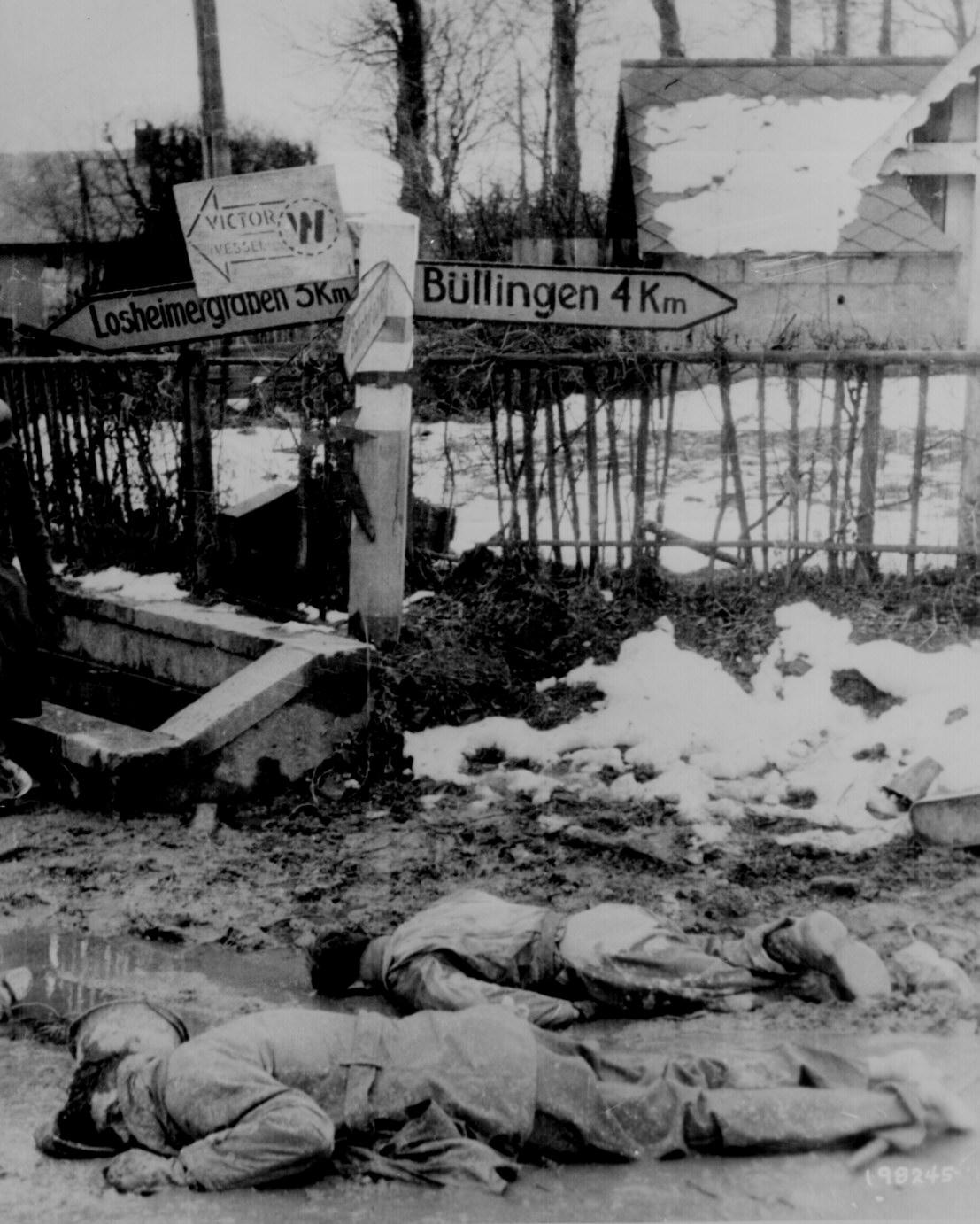
We have nearly completed our World War II image galleries. The latest gallery focuses on Death and Destruction in the Second World War. Several of the images are quite graphic, so please use with caution when showing the gallery to students. This particular photograph, taken in 1944 by the Germans and confiscated after the Allied victory, features American casualties at a crossroads in Belgium.
Monday, September 13, 2010
Declaration of Independence
"We declare these truths to be self-evident..."

Thursday, July 15, 2010
American History Outline
Check out our American History outline with corresponding teaching materials, links, lesson plans, and more for numerous topics.
Sunday, July 4, 2010
Happy Fourth of July!
Why not honor American independence by testing your American history knowledge?
American History Module 3.1: A New Colonial System
American History Module 3.2: The Stamp Act
American History Module 3.3: Taxation without Representation
American History Module 3.4: The Townshend Acts
American History Module 3.5: Samuel Adams
American History Module 3.6: The Boston Tea Party
American History Module 3.7: The Coercive Acts
American History Module 3.8: The Revolution Begins
American History Module 3.9: Common Sense and Independence
American History Module 3.1: A New Colonial System
American History Module 3.2: The Stamp Act
American History Module 3.3: Taxation without Representation
American History Module 3.4: The Townshend Acts
American History Module 3.5: Samuel Adams
American History Module 3.6: The Boston Tea Party
American History Module 3.7: The Coercive Acts
American History Module 3.8: The Revolution Begins
American History Module 3.9: Common Sense and Independence
American History Module 3.10: Defeats and Victories
Monday, June 7, 2010
Word Search Puzzle: Political Revolutions
G R A N D A R M Y K B M S L T A T E D P U O C M H
I N A P O L E O N B O N A P A R T E C C Z X X A T
N O I T U L O V E R H C N E R F F I C Z L Q L R A
S K Z P W E P G U E R R I L L A W A R F A R E I O
I J N O T G N I H S A W E G R O E G C B L Q C E T
M X L B Z I P W N I T R A M N A S E D E S O J A R
O A D T U N O I T U L O V E R N A C I R E M A N U
N A P O L E O N I C C O D E B L O C K A D E E T O
B A B E N J A M I N F R A N K L I N R P H Z M O C
O X S Q U Z A C I R E M A N I T A L G Z I A I I S
L B I L L O F R I G H T S A T N U J K W V C G N I
I N Q M O F Q F K E S S A M N E E E V E L Y R E N
V S A N S C U L O T T E S P L E B I S C I T E T N
A I V X S I U O L A I B M O L O C N A R G A S T E
R T E R O B E S P I E R R E N I T O L L I U G E T
Terms:
AMERICAN REVOLUTION
BENJAMIN FRANKLIN
BILL OF RIGHTS
BLOCKADE
COUP D’ETAT
EMIGRES
FRENCH REVOLUTION
GEORGE WASHINGTON
GRAN COLOMBIA
GRAND ARMY
GUERRILLA WARFARE
GUILLOTINE
JOSE DE SAN MARTIN
JUNTAS
LATIN AMERICA
LEVEE EN MASSE
LOUIS XVI
MARIE ANTOINETTE
NAPOLEON BONAPARTE
NAPOLEONIC CODE
PLEBISCITE
ROBESPIERRE
SANS-CULOTTES
SIMON BOLIVAR
TENNIS COURT OATH
Click here for a free printable version of this puzzle (and the answer key).
I N A P O L E O N B O N A P A R T E C C Z X X A T
N O I T U L O V E R H C N E R F F I C Z L Q L R A
S K Z P W E P G U E R R I L L A W A R F A R E I O
I J N O T G N I H S A W E G R O E G C B L Q C E T
M X L B Z I P W N I T R A M N A S E D E S O J A R
O A D T U N O I T U L O V E R N A C I R E M A N U
N A P O L E O N I C C O D E B L O C K A D E E T O
B A B E N J A M I N F R A N K L I N R P H Z M O C
O X S Q U Z A C I R E M A N I T A L G Z I A I I S
L B I L L O F R I G H T S A T N U J K W V C G N I
I N Q M O F Q F K E S S A M N E E E V E L Y R E N
V S A N S C U L O T T E S P L E B I S C I T E T N
A I V X S I U O L A I B M O L O C N A R G A S T E
R T E R O B E S P I E R R E N I T O L L I U G E T
Terms:
AMERICAN REVOLUTION
BENJAMIN FRANKLIN
BILL OF RIGHTS
BLOCKADE
COUP D’ETAT
EMIGRES
FRENCH REVOLUTION
GEORGE WASHINGTON
GRAN COLOMBIA
GRAND ARMY
GUERRILLA WARFARE
GUILLOTINE
JOSE DE SAN MARTIN
JUNTAS
LATIN AMERICA
LEVEE EN MASSE
LOUIS XVI
MARIE ANTOINETTE
NAPOLEON BONAPARTE
NAPOLEONIC CODE
PLEBISCITE
ROBESPIERRE
SANS-CULOTTES
SIMON BOLIVAR
TENNIS COURT OATH
Click here for a free printable version of this puzzle (and the answer key).
Monday, May 31, 2010
Word Search Puzzle: Leading Figures in the Age of Exploration
K K M N P U N R S N E L L A S A L T N Y U A J D Z
T E I L O J D N A E T T E U Q R A M I C O Y R A F
C R X I Z E S K C L Y A B M U A K R A B A A O Z V
H U E M R N L A O Q E M C O R T E Z L Z K B R F T
U T O B A C R E R S U I U Y N I Z A P E O L R H Y
D J J V L T P V D L W B G C P W B F M W N A R A W
S T R Z I I W Z O E G O F H I W M P A J A M R L L
O S J E L Y G C A E C M W H Z K H E H L S A A J B
N T R R H B V N W I E N C Z A S F L C R U G X T K
Q C L R X I Z U P J D P O X R U M U F O L A B A L
G R L Q N Q D T P G H Z M P R J U Y I P X D M E A
A D P V N E D R E V J P S R O W D I L W N B U O L
R T G T O Y J O E M Z N G S D N Y R H L N H T F W
I T G T B P V M A G E L L A N Y T W E U Y G H Y G
I L L E U S W K T V X K L C H V A B L Q X R C J X
Explorers:
BALBOA
CABOT
CABRAL
CARTIER
CHAMPLAIN
COLUMBUS
CORTEZ
DA GAMA
DIAZ
DRAKE
GILBERT
HUDSON
LASALLE
MAGELLAN
MARQUETTE AND JOLIET
PIZARRO
PONCE DE LEON
RALEIGH
T E I L O J D N A E T T E U Q R A M I C O Y R A F
C R X I Z E S K C L Y A B M U A K R A B A A O Z V
H U E M R N L A O Q E M C O R T E Z L Z K B R F T
U T O B A C R E R S U I U Y N I Z A P E O L R H Y
D J J V L T P V D L W B G C P W B F M W N A R A W
S T R Z I I W Z O E G O F H I W M P A J A M R L L
O S J E L Y G C A E C M W H Z K H E H L S A A J B
N T R R H B V N W I E N C Z A S F L C R U G X T K
Q C L R X I Z U P J D P O X R U M U F O L A B A L
G R L Q N Q D T P G H Z M P R J U Y I P X D M E A
A D P V N E D R E V J P S R O W D I L W N B U O L
R T G T O Y J O E M Z N G S D N Y R H L N H T F W
I T G T B P V M A G E L L A N Y T W E U Y G H Y G
I L L E U S W K T V X K L C H V A B L Q X R C J X
Explorers:
BALBOA
CABOT
CABRAL
CARTIER
CHAMPLAIN
COLUMBUS
CORTEZ
DA GAMA
DIAZ
DRAKE
GILBERT
HUDSON
LASALLE
MAGELLAN
MARQUETTE AND JOLIET
PIZARRO
PONCE DE LEON
RALEIGH
Sunday, May 30, 2010
Word Search Puzzle: West Africa during the Age of Exploration
E W U A R E R A S T B Y T I N U M M O C
R A U I X O E W I L E A E S E N F L V N
C R O V S D T L D N W E A L T H E M A G
T A S O A R G U O H I E I A K O N G O H
Y H L R N O G N O K I N A M E A X N E A
J A T Y K R U V I L L A G E S R O O I N
S S O N G H A I T Z L B N E T A E I Y A
H E R D I N G S N D L O G R I U W T O I
T J L N K E N P A R A N E Q M S I I O C
O I H E A I I E V N I L I T B S R D Z U
G N I T N U H Q A M U R V S U T V A L N
L T S S R U S O R I S M E P K T A R E B
L N A E M A I A A E A I E O T D U T R S
E Y L I M A F A C L O T H E U N U L T A
U I T O U N R G I T S O T F L N I N E B
Terms:
Benin
caravan
cloth
community
Ewuare
family
farming
fishing
Ghana
gold
herding
hunting
Islam
ivory
Kongo
Mali
manikongo
oba
Sahara
salt
Songhai
Timbuktu
trade
tradition
villages
wealth
Click here for a free printable version of this puzzle (and the answer key).
R A U I X O E W I L E A E S E N F L V N
C R O V S D T L D N W E A L T H E M A G
T A S O A R G U O H I E I A K O N G O H
Y H L R N O G N O K I N A M E A X N E A
J A T Y K R U V I L L A G E S R O O I N
S S O N G H A I T Z L B N E T A E I Y A
H E R D I N G S N D L O G R I U W T O I
T J L N K E N P A R A N E Q M S I I O C
O I H E A I I E V N I L I T B S R D Z U
G N I T N U H Q A M U R V S U T V A L N
L T S S R U S O R I S M E P K T A R E B
L N A E M A I A A E A I E O T D U T R S
E Y L I M A F A C L O T H E U N U L T A
U I T O U N R G I T S O T F L N I N E B
Terms:
Benin
caravan
cloth
community
Ewuare
family
farming
fishing
Ghana
gold
herding
hunting
Islam
ivory
Kongo
Mali
manikongo
oba
Sahara
salt
Songhai
Timbuktu
trade
tradition
villages
wealth
Click here for a free printable version of this puzzle (and the answer key).
Saturday, May 29, 2010
Word Search Puzzle: The Columbian Exchange
N N M S I C A R T E R K F R O R R V G C Z I J S J J N T
A H O J L K G F X J U S I E C H E O L T P M V U C O O R
C E H I G T R Q V L R T J T Z O L V N X A M J B Y I I I
I H K V T V I C E R O Y S N U D S A L N R U A M O N T A
R C O N Q U I S T A D O R U C N W Z F I Z N V U N T A N
E K F O O C L T R E A T Y O F T O R D E S I L L A S R G
M U C J P Q P O C B T E X C H A N G E B N T M O I T O U
A F O O D S O D V O G X R N O R O E O D Y Y E C U O L L
N O I T A C R A M E D F O E N I L L A P A P R R Q C P A
I Z W R Q I O M L L R D H Y Q S G A Q N E E C E E K X R
T T N O I T A Z I N O L O C E I Z B O F S N A H H C E T
A C I R C U M N A V I G A T I O N I M M S C N P A O F R
L I H D Y M O N O C E N O I T A T N A L P O T O D M O A
M S I L A T I P A C O V Y Z C A S L C O P M I T U P E D
M I D D L E P A S S A G E R L R L V T X E I L S A A G E
L B C N A E B B I R A C T F E P E T J S M E I I L N A O
S E S A E S I D P E N B N A O V A M T W I N S R O Y D O
T K Z D R C W U B Z D I M X I L A I M T T D M H C R R K
M S I L A I R E P M I D L O U N Z L N O A A E C A K Q W
F J U A T A H U A L P A M M J O O C S C C H E P F O S U
Terms:
AGE OF EXPLORATION
ATAHUALPA
CAPITALISM
CARIBBEAN
CHRISTOPHER COLUMBUS
CIRCUMNAVIGATION
COLONIZATION
COMMERCIAL REVOLUTION
CONQUISTADOR
CUZCO
DISEASES
ENCOMIENDA
ENCOUNTER
EXCHANGE
FOODS
GOLD
IMMUNITY
INFLATION
JOINT-STOCK COMPANY
LATIN AMERICA
MERCANTILISM
MESTIZO
MIDDLE PASSAGE
MITA
MULATTO
OLAUDAH EQUIANO
OLD IMPERIALISM
PAPAL LINE OF DEMARCATION
PARDO
PLANTATION ECONOMY
RACISM
SILVER
SLAVERY
Click here for a free printable version (and the answer key).
A H O J L K G F X J U S I E C H E O L T P M V U C O O R
C E H I G T R Q V L R T J T Z O L V N X A M J B Y I I I
I H K V T V I C E R O Y S N U D S A L N R U A M O N T A
R C O N Q U I S T A D O R U C N W Z F I Z N V U N T A N
E K F O O C L T R E A T Y O F T O R D E S I L L A S R G
M U C J P Q P O C B T E X C H A N G E B N T M O I T O U
A F O O D S O D V O G X R N O R O E O D Y Y E C U O L L
N O I T A C R A M E D F O E N I L L A P A P R R Q C P A
I Z W R Q I O M L L R D H Y Q S G A Q N E E C E E K X R
T T N O I T A Z I N O L O C E I Z B O F S N A H H C E T
A C I R C U M N A V I G A T I O N I M M S C N P A O F R
L I H D Y M O N O C E N O I T A T N A L P O T O D M O A
M S I L A T I P A C O V Y Z C A S L C O P M I T U P E D
M I D D L E P A S S A G E R L R L V T X E I L S A A G E
L B C N A E B B I R A C T F E P E T J S M E I I L N A O
S E S A E S I D P E N B N A O V A M T W I N S R O Y D O
T K Z D R C W U B Z D I M X I L A I M T T D M H C R R K
M S I L A I R E P M I D L O U N Z L N O A A E C A K Q W
F J U A T A H U A L P A M M J O O C S C C H E P F O S U
Terms:
AGE OF EXPLORATION
ATAHUALPA
CAPITALISM
CARIBBEAN
CHRISTOPHER COLUMBUS
CIRCUMNAVIGATION
COLONIZATION
COMMERCIAL REVOLUTION
CONQUISTADOR
CUZCO
DISEASES
ENCOMIENDA
ENCOUNTER
EXCHANGE
FOODS
GOLD
IMMUNITY
INFLATION
JOINT-STOCK COMPANY
LATIN AMERICA
MERCANTILISM
MESTIZO
MIDDLE PASSAGE
MITA
MULATTO
OLAUDAH EQUIANO
OLD IMPERIALISM
PAPAL LINE OF DEMARCATION
PARDO
PLANTATION ECONOMY
RACISM
SILVER
SLAVERY
Click here for a free printable version (and the answer key).
Friday, May 28, 2010
Word Search Puzzle: Native American Cultures at the Time of Columbus
A R A P A H O R N A R R A G A N S E T T A S B K O O N I H C
L C E T Z A E K A D A P R O U D E N A T I V E N C L R L T H
G H U R O N U I V O O U E R H E R I T A G E S Q T F L L G I
O E Z N E A A O A E E N K A S H A Y A P O M O S A G E I N P
N R I O S U J O J E M I A M I I E P A A E F N E L T H N I P
Q O J I B W A N O N O K N M E A P E I I O I K M U S R O S E
U K L U T E T T S W A W S E U R U U A U W R C I Y O I I E W
I E T K L N T E A A M A A S U J E T R T A S O N I A T S A A
N E K S R A U L O P I K I C E Z B A O E M T N O E N Z U N I
C R E I W T O U Q E P I I A O U L R R S P A N L K A T O T L
A C O A A E V N M C L U T L L S O I A W A M A E I R X U O Y
O W A T C O H C U R R T S E T L N M C E N E H A O E I S E T
A A T O K A D I N E E L A R E M N O S X O R E L W E T H N O
R S Q E I P O H A P E N I O O U R T U S A I U M A N D A N O
A A C R O W S N O Z M O N A C A N A T L G C Q T A O S W E F
K K D E L A W A R E A O E P I I O W U H R A S G P H F N Y K
I C E N M L P T M N J T R A S R T A U U O N U I A S E E E C
R I H U I C H O L A U K R C W S T T L V N S S E C O A E H A
A H H I T C H I T I Y A S H O I P O W H A T A N H H E E C L
A C O M A N C H E A E A I E O B U P R C S T D L E S N E A B
Cultures:
Algonquin
Arapaho
Arikara
Aztec
Blackfoot
Cherokee
Cheyenne
Chickasaw
Chinook
Chippewa
Choctaw
Chumash
Comanche
Cree
Crow
Dakota
Delaware
Hitchiti
Hopi
Huichol
Huron
Illinois
Inca
Iowa
Jumano
Kansa
Kashaya Pomo
Kato
Kiowa
Kiowa-Apache
Kwakiutl Nootka
Mandan
Maya
Mescalero Apache
Miami
Monacan
Narragansett
Navajo
Nez Perce
Ojibwa
Ottawa
Paiute
Pawnee
Pequot
Pima
Potawatomi
Powhatan
Pueblo
Sauk
Seminole
Shawnee
Shoshone
Susquehannock
Taino
Tuscarora
Ute
Wampanoag
Zuni
Click here for a free printable (.pdf) version of this puzzle (and the answer key).
L C E T Z A E K A D A P R O U D E N A T I V E N C L R L T H
G H U R O N U I V O O U E R H E R I T A G E S Q T F L L G I
O E Z N E A A O A E E N K A S H A Y A P O M O S A G E I N P
N R I O S U J O J E M I A M I I E P A A E F N E L T H N I P
Q O J I B W A N O N O K N M E A P E I I O I K M U S R O S E
U K L U T E T T S W A W S E U R U U A U W R C I Y O I I E W
I E T K L N T E A A M A A S U J E T R T A S O N I A T S A A
N E K S R A U L O P I K I C E Z B A O E M T N O E N Z U N I
C R E I W T O U Q E P I I A O U L R R S P A N L K A T O T L
A C O A A E V N M C L U T L L S O I A W A M A E I R X U O Y
O W A T C O H C U R R T S E T L N M C E N E H A O E I S E T
A A T O K A D I N E E L A R E M N O S X O R E L W E T H N O
R S Q E I P O H A P E N I O O U R T U S A I U M A N D A N O
A A C R O W S N O Z M O N A C A N A T L G C Q T A O S W E F
K K D E L A W A R E A O E P I I O W U H R A S G P H F N Y K
I C E N M L P T M N J T R A S R T A U U O N U I A S E E E C
R I H U I C H O L A U K R C W S T T L V N S S E C O A E H A
A H H I T C H I T I Y A S H O I P O W H A T A N H H E E C L
A C O M A N C H E A E A I E O B U P R C S T D L E S N E A B
Cultures:
Algonquin
Arapaho
Arikara
Aztec
Blackfoot
Cherokee
Cheyenne
Chickasaw
Chinook
Chippewa
Choctaw
Chumash
Comanche
Cree
Crow
Dakota
Delaware
Hitchiti
Hopi
Huichol
Huron
Illinois
Inca
Iowa
Jumano
Kansa
Kashaya Pomo
Kato
Kiowa
Kiowa-Apache
Kwakiutl Nootka
Mandan
Maya
Mescalero Apache
Miami
Monacan
Narragansett
Navajo
Nez Perce
Ojibwa
Ottawa
Paiute
Pawnee
Pequot
Pima
Potawatomi
Powhatan
Pueblo
Sauk
Seminole
Shawnee
Shoshone
Susquehannock
Taino
Tuscarora
Ute
Wampanoag
Zuni
Click here for a free printable (.pdf) version of this puzzle (and the answer key).
Wednesday, May 26, 2010
U.S. History: 1865 to the Present
The Research Channel on YouTube (University of Minnesota) has a lot of interesting, brief videos. These, along with other YouTube videos, are a great way for teachers to stay current, review course material, and essentially "stay in the game" during summer vacation.
The Research Channel
The Research Channel
Monday, May 24, 2010
America: A Story of Us - A Teacher's Review
The History Channel started broadcasting "America: The Story of Us" in April. This series spans the course of American history from the English settlement of Jamestown on May 14, 1607, to the present day.
PROS
CONS
PROS
- The series is fast-paced, with a lot of trivial snippets mixed into the history that will keep students interested in the story.
- Celebrity commentators (such as Meryl Streep, Sean "Puffy" Combs, Rev. Al Sharpton, Donald Trump, etc.) frequently remark on the significance of events and movements. Recognizable faces are great for getting kids' attention.
CONS
- The series skips around a bit in terms of how events are paced and scoped in typical classrooms. However, this can be a benefit as it serves as a review of previous course material, as well as a preview of future course content.
- Celebrity reviewers offer opinions, not historical perspective or insight (as would a professional historian).
- The series begins with English settlers. This perspective completely overlooks the thousands of years of Indian settlement that predated European arrivals. (Teachers may want to examine this during a classroom discussion. Possible question: Who is the "Us" in the title of the series?)
Please bear in mind that the entire series has yet to air. A thorough review is not yet available. While History Channel does have educator materials online already (available here and here), not even the title of each episode has been released (and titles that have aired do not line up with what is officially listed). Not surprisingly, History Channel is already taking DVD preorders of the series. If you are an educator, the terrific news is that your school can obtain a free copy by clicking here.
The accompanying book (with a forward by President Barack Obama) contains the following chapters:
- Rise of the Patriots
- Revolution!
- Westward
- Seeds of War
- Civil War
- Conquering the Plains
- City
- Boom
- Bust
- America at War
- Then and Now
- Then and Now (continued)
The episodes which have aired (to the best of our knowledge) are:
- Rebels
- Revolution
- Westward
- Division
- Civil War
- Heartland
- Cities
- Boom
- Bust
- World War II (WWII)
- Metropolis
- Rise of a Superpower
Don't forget to visit the History Classroom website.
Wednesday, May 12, 2010
Sunday, May 9, 2010
World War II: History of the Battle of Iwo Jima

History Annotated has a terrific video clip on the events on Iwo Jima, complete with authentic voices. Great for teachers covering World War II in the Pacific!
Monday, February 2, 2009
News: February, 2009
What a month! We have completely reorganized the American History section for high school by subdividing the NYSDE Regents Curriculum Outline into 20 separate and distinct units (or chapters) of study. This change is designed to correlate to the precise units of study implemented by high school social studies teachers. Much remains to be done, but what a terrific beginning!
Subscribe to:
Posts (Atom)